

Understanding the psychological triggers that influence casino decision-making
The Allure of Risk and Reward
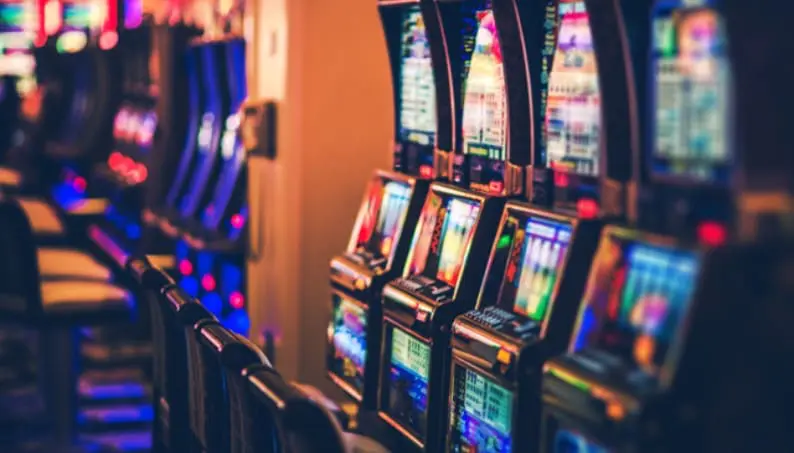
In the realm of casinos, the balance between risk and reward plays a crucial role in decision-making. Players are often drawn to the thrill of potential winnings, which can stimulate dopamine release in the brain. This chemical response creates a sense of pleasure and reinforces the desire to take risks. Casinos design their environments to amplify this experience, including through platforms like https://nika1.com/ with bright lights and exciting sounds that heighten emotional engagement. This sensory stimulation further deepens the allure, making it hard for players to resist participating in games.

Moreover, the concept of loss aversion comes into play. This psychological principle suggests that people are more motivated to avoid losses than to achieve equivalent gains. When players face losing streaks, the emotional weight of those losses can compel them to wager more in an attempt to recover. This pattern of behavior often leads to irrational decisions, driven by the hope of recouping previous losses, ultimately deepening their investment in the gambling experience.
Cognitive biases also contribute significantly to the decision-making process in casinos. The illusion of control, for instance, can lead players to believe they can influence the outcome of games that are fundamentally based on chance. This illusion encourages individuals to engage more frequently, believing they have a strategic edge, which can further fuel their gambling habits and overall expenditures.
The Impact of Social Influences
Social factors significantly shape gambling behaviors, often impacting decisions made at casinos. Players may be influenced by peers or social circles that normalize gambling activities. This phenomenon can create an environment where frequent gambling is seen as a socially acceptable behavior, increasing the likelihood of participation among individuals. Moreover, the community aspect of casinos, particularly in live dealer games, fosters a shared experience, making it more enticing for players to engage.
Another critical social influence is the role of marketing and promotions. Casinos utilize targeted advertising to create a buzz around their offerings, often leveraging social proof to showcase winners and generate excitement. When potential players see others winning large sums of money, they may be compelled to join in, driven by the fear of missing out. This marketing tactic capitalizes on the psychological trigger of social validation, making gambling seem not only appealing but also attainable.
The social environment within casinos can also play a pivotal role in decision-making. For instance, group dynamics often lead to more adventurous betting behaviors. The collective excitement can lead individuals to bet more than they originally intended, as they get swept up in the moment. This phenomenon illustrates how communal settings can modify individual behaviors, emphasizing the impact of social influences on gambling decisions.
The Role of Cognitive Biases
Cognitive biases are mental shortcuts that can distort perception and influence decision-making. In the context of casinos, biases such as the gambler’s fallacy play a significant role. This bias leads players to believe that past events will impact future outcomes in games of chance, resulting in misguided betting strategies. For example, if a player notices a particular slot machine hasn’t paid out recently, they may feel it’s “due” for a win, prompting them to invest more money than is rational.
The availability heuristic also affects gambling decisions. This cognitive bias occurs when individuals rely on immediate examples that come to mind when evaluating a situation. In casinos, players might recall recent wins or the success stories of others, overshadowing the more numerous instances of losses. This skewed perception can drive players to continue betting, ignoring the long-term odds and their overall financial situation.
Additionally, the sunk cost fallacy can trap players in a cycle of poor decision-making. This bias causes individuals to continue investing in a losing endeavor due to the resources they have already committed. In a casino context, this might manifest as a player who keeps betting to recover their initial stake, despite recognizing the odds are not in their favor. Understanding these cognitive biases is essential for players to make informed decisions and mitigate harmful gambling habits.
The Emotional Rollercoaster of Gambling
The emotional aspects of gambling significantly influence decision-making. Players often experience a wide range of emotions, from excitement and anticipation to disappointment and frustration. These feelings can cloud judgment and lead to impulsive decisions, especially during high-stakes games. The unpredictability of outcomes adds to this emotional rollercoaster, making it easy for players to become reactive rather than rational in their gambling choices.
Moreover, the thrill of winning can create a powerful emotional high, reinforcing the desire to continue playing. Players often chase this euphoric feeling, sometimes leading to excessive gambling. On the flip side, losses can induce feelings of despair and defeat, which may further compel players to gamble in hopes of a comeback. This cycle of emotional highs and lows can lead to compulsive behaviors and can significantly impact financial well-being.
Understanding the emotional triggers involved in gambling can help players recognize patterns in their behavior. For instance, being aware of one’s emotional state while gambling can provide insights into decision-making processes. This awareness can empower players to set limits and establish healthier gambling habits, balancing enjoyment with responsibility.
Nika Casino: A Safe Gaming Environment
Nika Casino exemplifies a modern approach to online gaming, providing a secure platform for players to explore their gambling desires. With a wide variety of games, including slots and live dealer options, Nika Casino caters to diverse preferences, ensuring that players find something that resonates with them. This variety not only enhances the gaming experience but also allows for responsible gaming by offering multiple avenues for entertainment.
The platform’s focus on security, utilizing 128-bit SSL encryption, ensures that players can engage in their favorite games without worrying about their personal information being compromised. Additionally, Nika Casino’s commitment to customer support, available 24/7, provides players with the assistance they need, reinforcing a safe and trustworthy gaming environment.
For new players, Nika Casino offers an attractive welcome bonus that enhances their initial gaming experience. By providing incentives to explore the casino’s offerings, Nika not only encourages responsible engagement but also allows players to navigate their gambling decisions with added flexibility. This thoughtful approach to online gaming emphasizes the importance of balancing enjoyment and responsibility, making Nika Casino a preferred choice for many players.